Small Pets

SNAAT Guinea Pig Playpen with Waterproof Liner
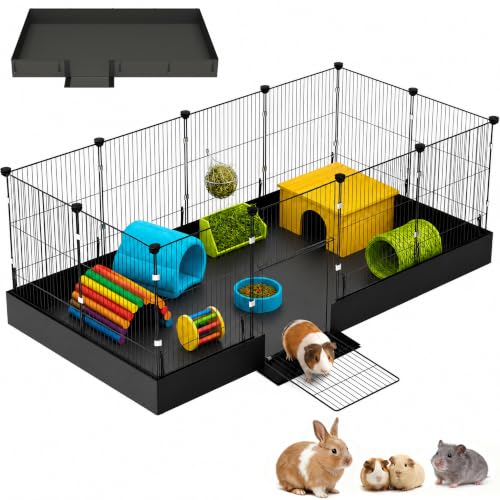
Where most leases begin: open-top walls, liner hung where teeth never reach.
4.1(465)
2 builds
$26.94

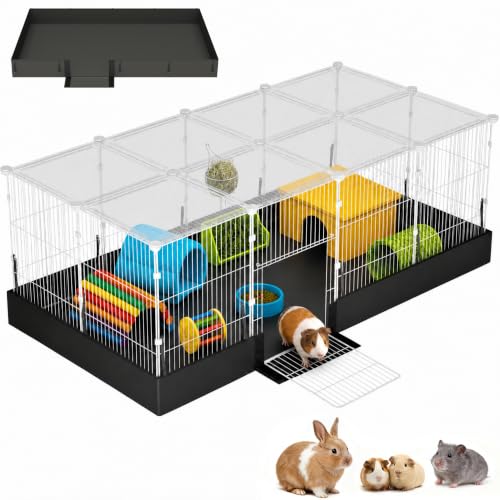
Security usually costs light: roof a cage and you've built a cellar. The skylight build refuses the trade — the same 0.6-inch mesh shell that ends escapes and cat surveillance, capped with a clear panel instead of wire, so the tenant keeps its sky, the room keeps its sun, and you get the one thing keepers didn't know they wanted: the whole floor plan readable from above.
Room-dwelling animals still run on the sun. Under a solid roof some settle into den comfort, but others go dim — pressed to the door, active at odd hours, visibly flat. The transparent top restores the day-night signal without surrendering an inch of the shell, which is the entire trick.
The keeper's dividend is the overhead sightline. Most daily checks — water level, food hoards, where and how the tenant sleeps — become a glance on the way past, no latch involved.
Between this and the solid roof, everything but the lid is identical: mesh, liner, door, footprint, connectors. So the decision reduces to one observation — does your animal seek cover or seek light? Burrowers and nappers lean solid; the restless and the sun-trackers lean skylight.
Both stay grid-compatible with the wider line, so neither choice is final architecture. Lids have been swapped before.
Where most leases begin: open-top walls, liner hung where teeth never reach.
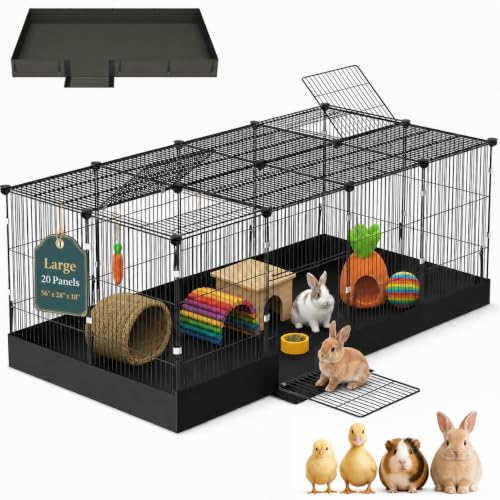
The long straightaways a pair actually runs — the wing's biggest open floor.
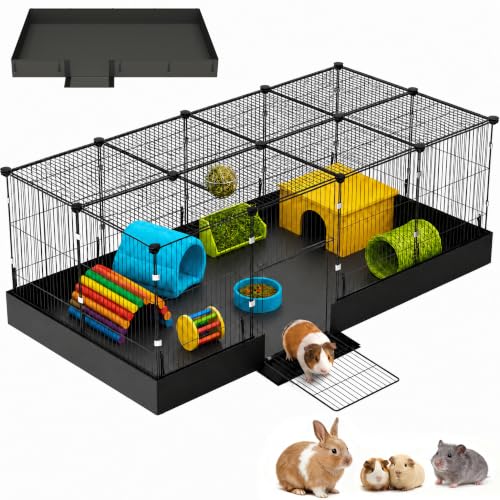
0.6-inch mesh on all six sides — the room nobody has broken out of.
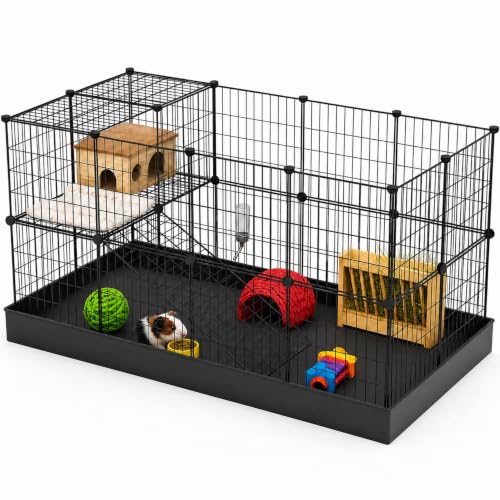
Thirty-two panels of straightaway — built for animals with a top speed.